Cutting-edge AI advancements shaping 2025
The artificial intelligence landscape in December 2025 is evolving at breakneck speed. Major players like OpenAI, Google, Anthropic, and xAI are releasing groundbreaking model updates, while massive investments in data centers and new policies underscore AI's growing impact. From enhanced reasoning capabilities to agentic tools and ethical concerns, here's a comprehensive roundup of the top AI tech news and breakthroughs this month.
Major Model Releases Dominating AI Headlines
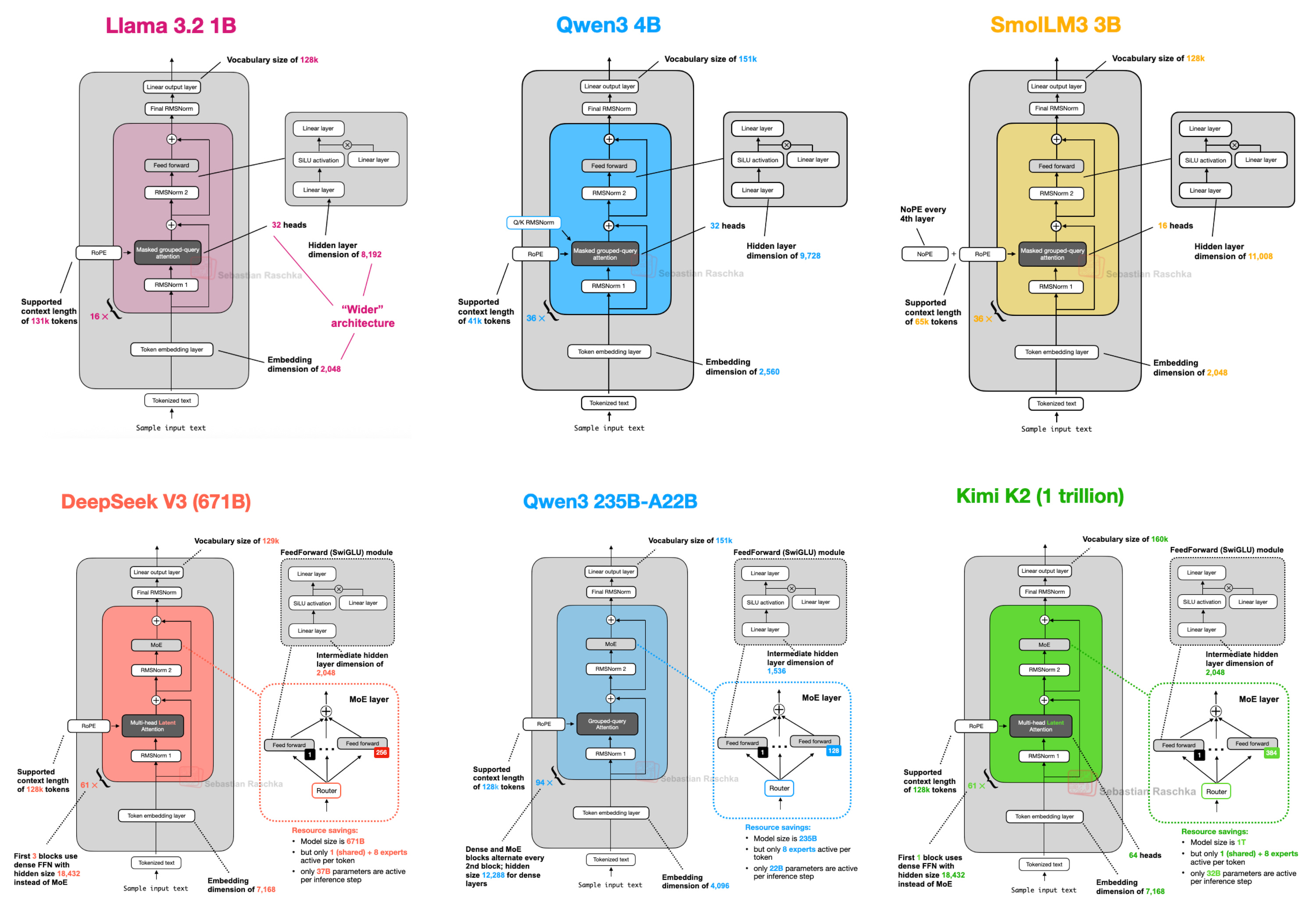
Advanced LLM architecture comparison highlighting GPT innovations
OpenAI kicked off the month with the launch of GPT-5.2 on December 11, featuring superior multi-step reasoning, 256k token long-context recall, and heightened reliability. This was quickly followed by GPT-5.2-Codex, a specialized variant excelling in coding, cybersecurity, and complex software tasks. These releases address competitive pressure from rivals and aim to solidify OpenAI's lead in frontier AI.

Google Gemini powering innovative AI experiences
Google responded strongly with Gemini 3 Flash on December 17—a fast, cost-effective model now default in the Gemini app. It delivers frontier-level reasoning at high speed, outperforming predecessors in coding and multimodality while integrating deeply into search and productivity tools.
Anthropic focused on enterprise and agentic AI, expanding Claude Skills as an open standard for reusable workflows. Updates include better tool integrations and safety measures, with partnerships like Accenture scaling Claude for production deployments.
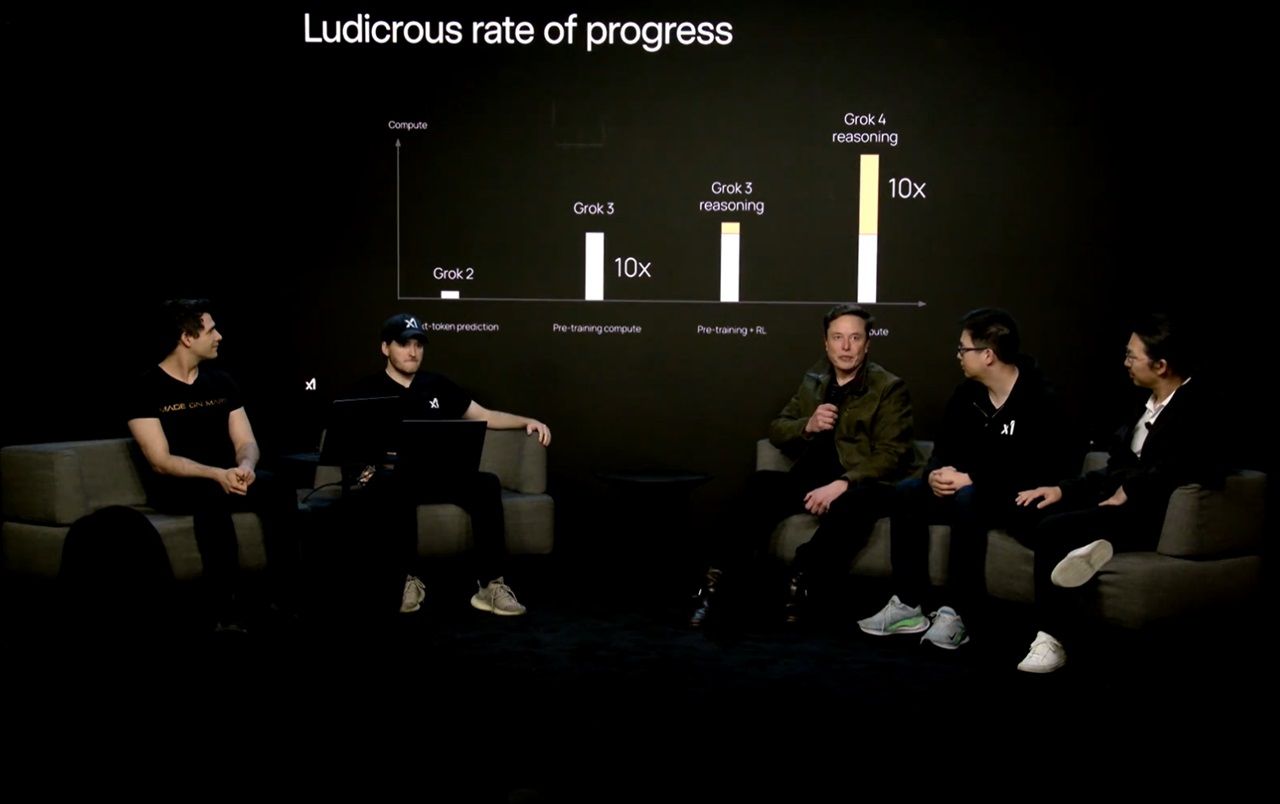
xAI's Grok advancing toward world's smartest AI
xAI advanced its API with next-gen tool-calling agents, emphasizing Grok's strengths in real-time search and emotional intelligence. Elon Musk hinted at rapid progress toward advanced reasoning models.
Infrastructure Boom and Policy Developments
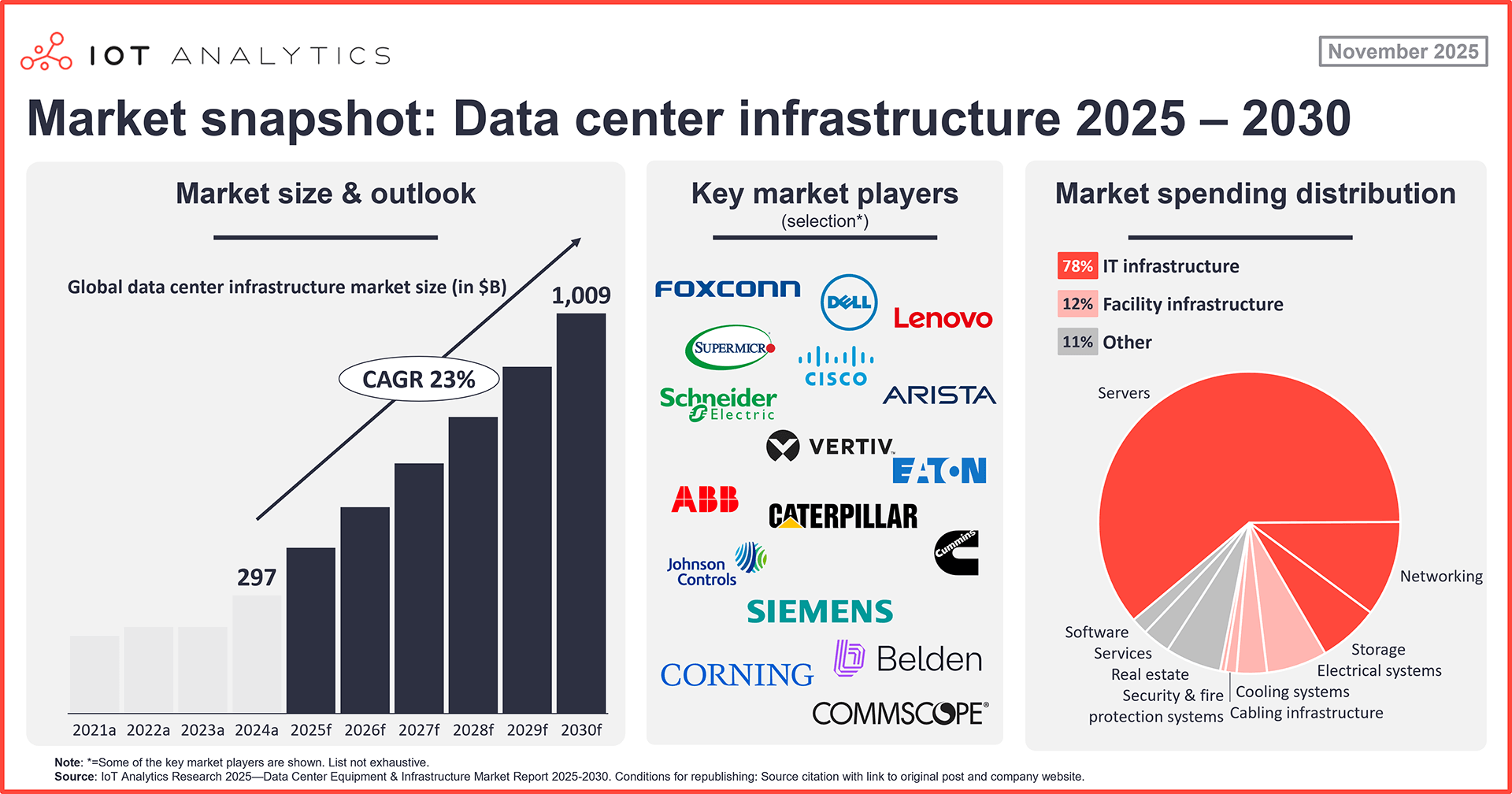
AI-driven explosion in data center investments
Global data center investments hit a record $61 billion in 2025, fueled by AI demand. OpenAI's projected $143 billion spend through 2029 highlights the enormous costs behind scaling frontier models.
On the policy front, President Trump signed an Executive Order on December 11 establishing a national AI framework with federal preemption. Meanwhile, U.S. reviews of Nvidia chip sales to China continue amid geopolitical tensions.
Breakthroughs, Applications, and Emerging Concerns
AI is accelerating scientific discovery, from detecting early biological aging via X-rays to designing molecules enhancing chemotherapy. However, challenges persist: a surge in low-quality "slop" AI research papers, UN warnings of widening global inequality, and debates over real-world business value versus hype.
Talent wars intensify, with Google rehiring 20% of its 2025 AI engineers as "boomerangs." Ethical focuses include teen safety guidelines and mitigating mental health risks from AI interactions.
As 2025 closes, the AI field is marked by fierce competition, rapid iterations, and a shift toward reliable agents and sustainable growth. These developments promise transformative applications in healthcare, research, and enterprise—but also demand careful navigation of risks.
Stay updated as AI continues to redefine possibilities. The race for smarter, more efficient models shows no signs of slowing.
Word count: Approximately 680
Sources: TechCrunch, The Guardian, CNBC, OpenAI Blog, Google Blog, Anthropic News, xAI Updates

Comments
Post a Comment